EN
 AR
 BG
 DA
 NL
 FR
 DE
 HI
 IT
 JA
 KO
 NO
 PL
 PT
 RO
 RU
 ES
 SV
 TL
 ID
 SK
 SL
 UK
 VI
 TH
 TR
 MS
 BE
 HY
 AZ
 KA
 BN
 BS
 EO
 JW
 LO
 MN
 NE
 MY
 KK

ANBEN FIRE Gear Backs Israeli Wildland Crews on the Forest Fire Line
Lightweight wildland suits, leather boots, gloves and hoods from ANBEN FIRE are in routine service with Israeli forest fire crews — gear built for long shifts in smoke, ember showers and radiant heat.
October 2026
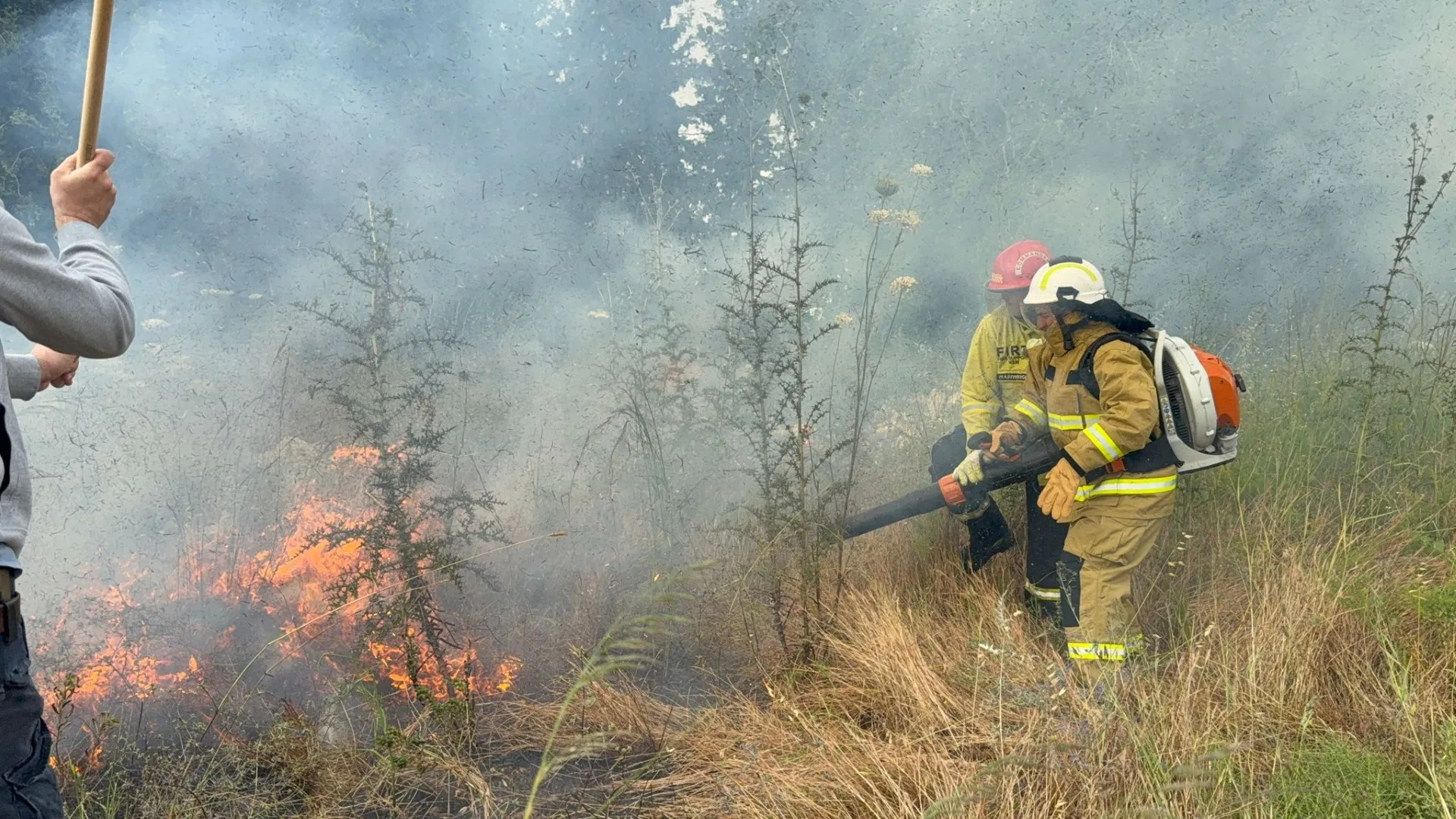
In the pine belts and dry scrub of Israel's Mediterranean hills, a forest fire does not behave the way a structure fire does. There is no compartment to control and no door to close behind you. There is fuel, wind, slope — and a crew that has to keep moving for hours while the ground burns underfoot.
That is the environment the ANBEN FIRE wildland system was designed for. Working through its regional partner [partner company name], ANBEN FIRE has equipped Israeli fire crews operating in forest and wildland–urban interface (WUI) zones, where the fire season now stretches from late spring into autumn and a single incident can run for days.
A fire line that punishes the wrong garment
Israeli wildland fires combine several conditions that are unkind to ordinary turnout gear. Summer temperatures in the forested hills regularly climb above 35 °C, relative humidity can fall into the low teens, and easterly winds push fire through fine fuels faster than crews can flank it. Much of the terrain is steep, rocky and covered in dense maquis and pine — the same vegetation that made the Carmel and Jerusalem hills fires so difficult to contain.
Crews work these lines with hand tools, drip torches and backpack blowers, often walking several kilometres before they ever reach the flame front. Structural turnout gear — heavy, bulky, built to keep heat out of a burning building — becomes a liability in that setting: it traps metabolic heat, restricts movement on steep ground, and exhausts the wearer long before the shift is over.
What the fire line actually demands is different: a shell light enough to climb in, breathable enough to survive a 12-hour shift in direct sun, and still able to shed embers and deflect radiant heat when the wind turns.
One system, from helmet to boot
ANBEN FIRE supplies the wildland package as a matched system rather than a list of separate items, so that fit, layering and visibility work together in the field.
Wildland firefighting suit (jacket and trousers). A lightweight flame-resistant outer shell with articulated knees, gusseted movement zones and reinforced shoulders and forearms for crawling and tool work. Stand-up collar, full-length storm flap, adjustable cuffs and large cargo pockets that stay accessible under a pack or harness. High-visibility lime-yellow body with FR reflective trim so crew leaders can count heads through smoke. Manufactured to the EN 15614 wildland clothing specification and EN ISO 11612 heat-and-flame requirements.
Fire hood. Flame-resistant hood with a wide face opening for peripheral vision and a flat seam layout that sits comfortably under a helmet for a full shift. Built to EN 13911.
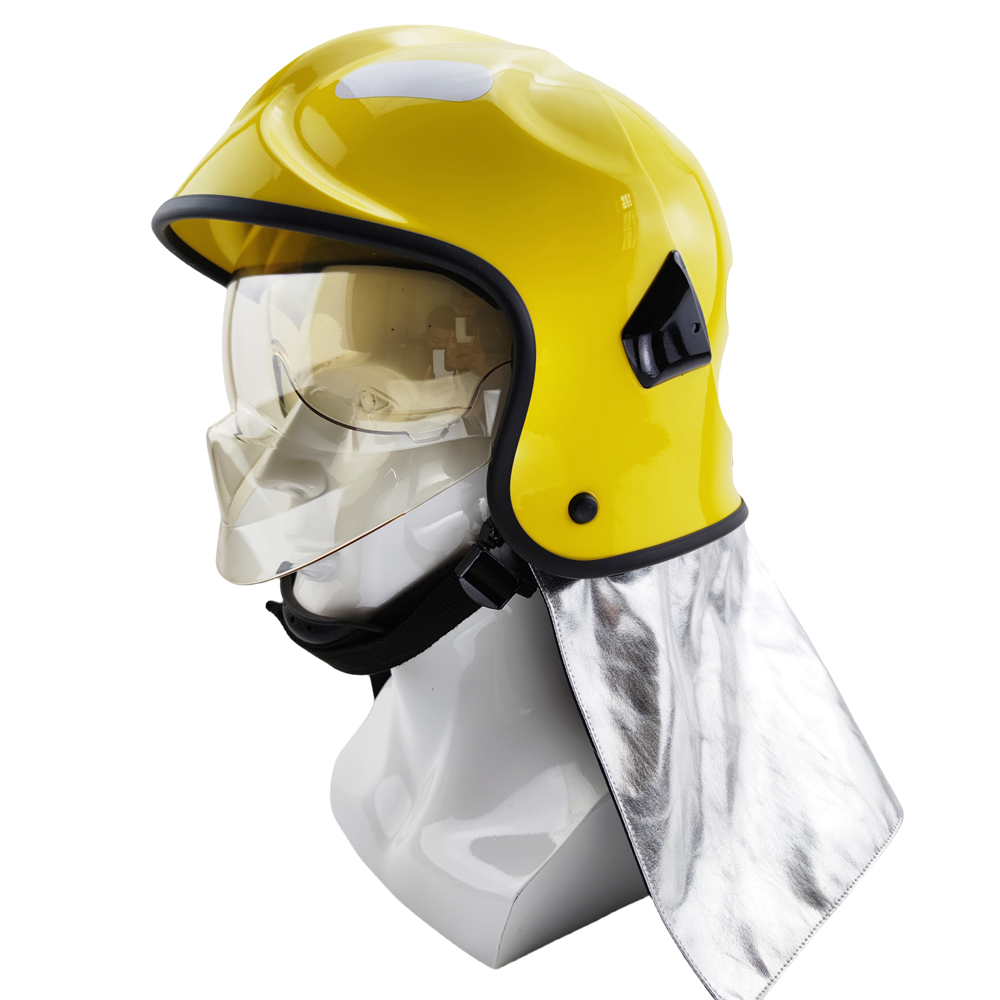
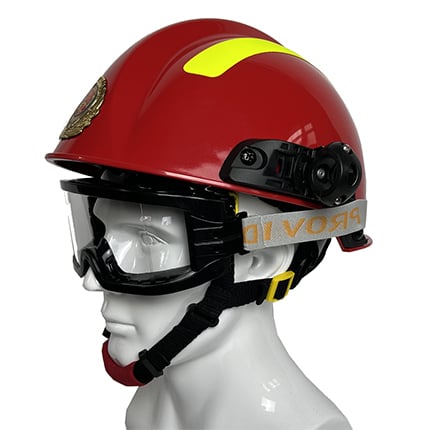
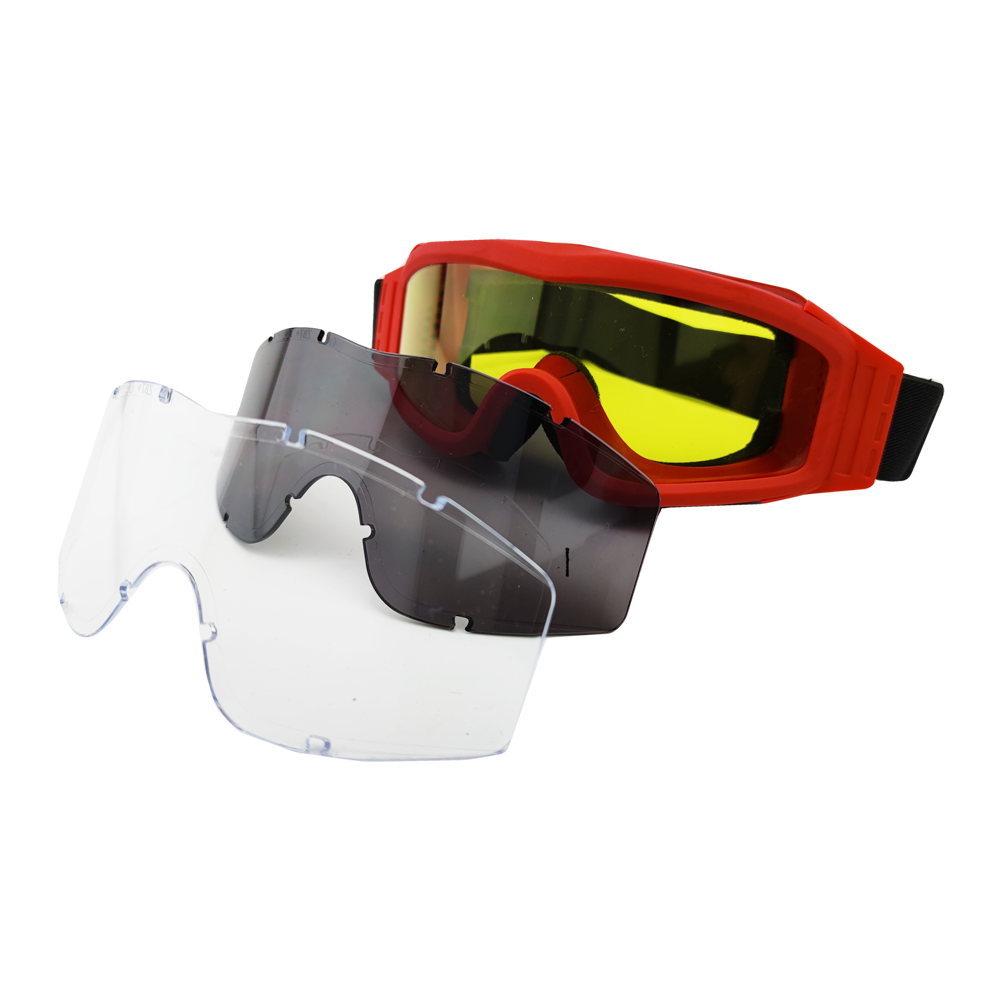
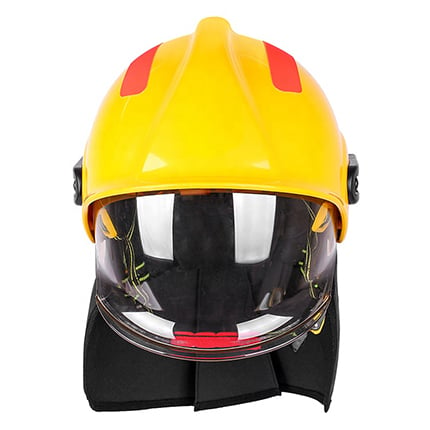
Helmet and eye protection. A vented wildland helmet to EN 16471, balanced for all-day wear with a neck curtain and goggle compatibility — because in a forest fire the threat to the face is embers and radiant heat from the flank, not falling debris from a ceiling.
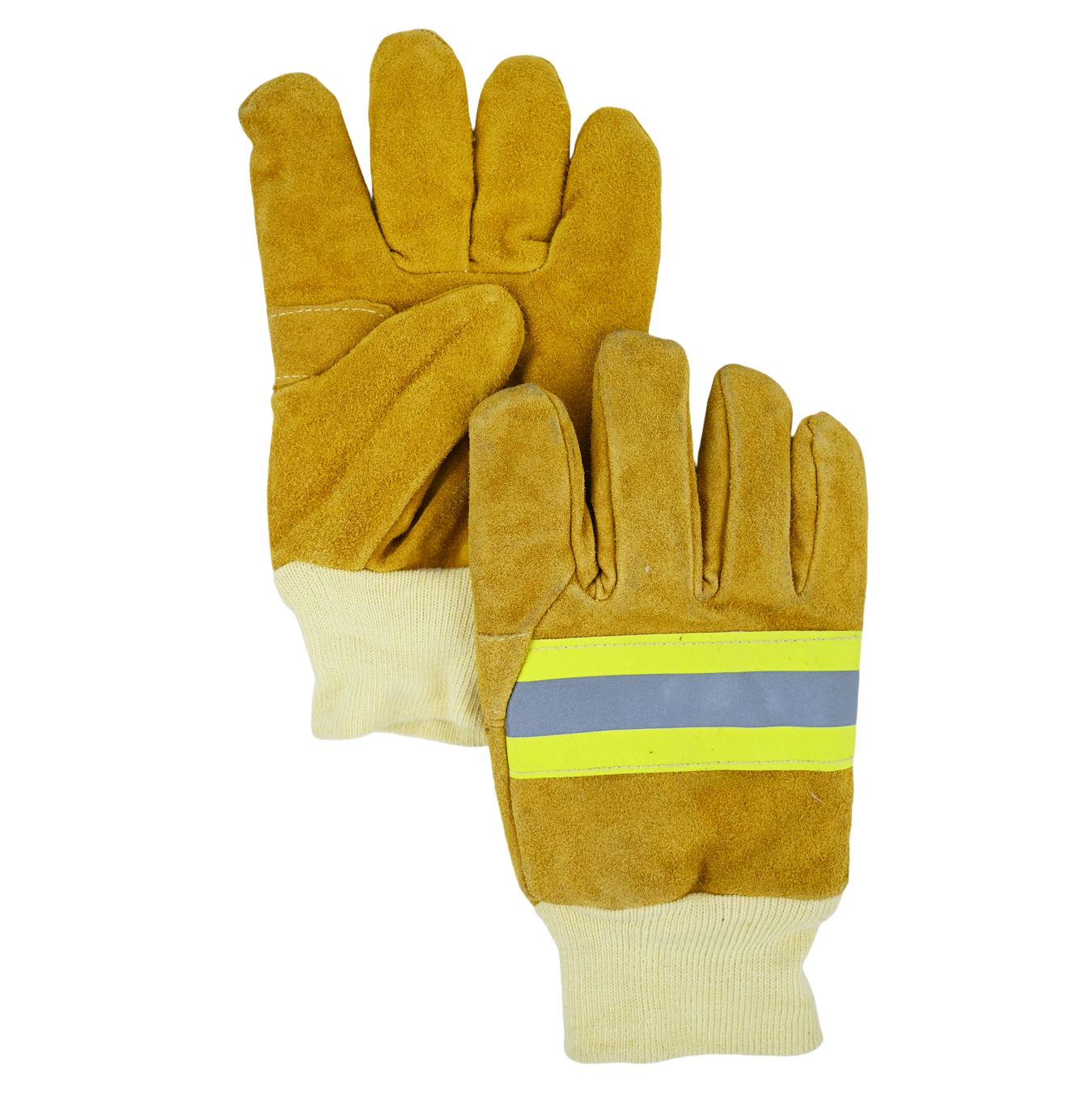
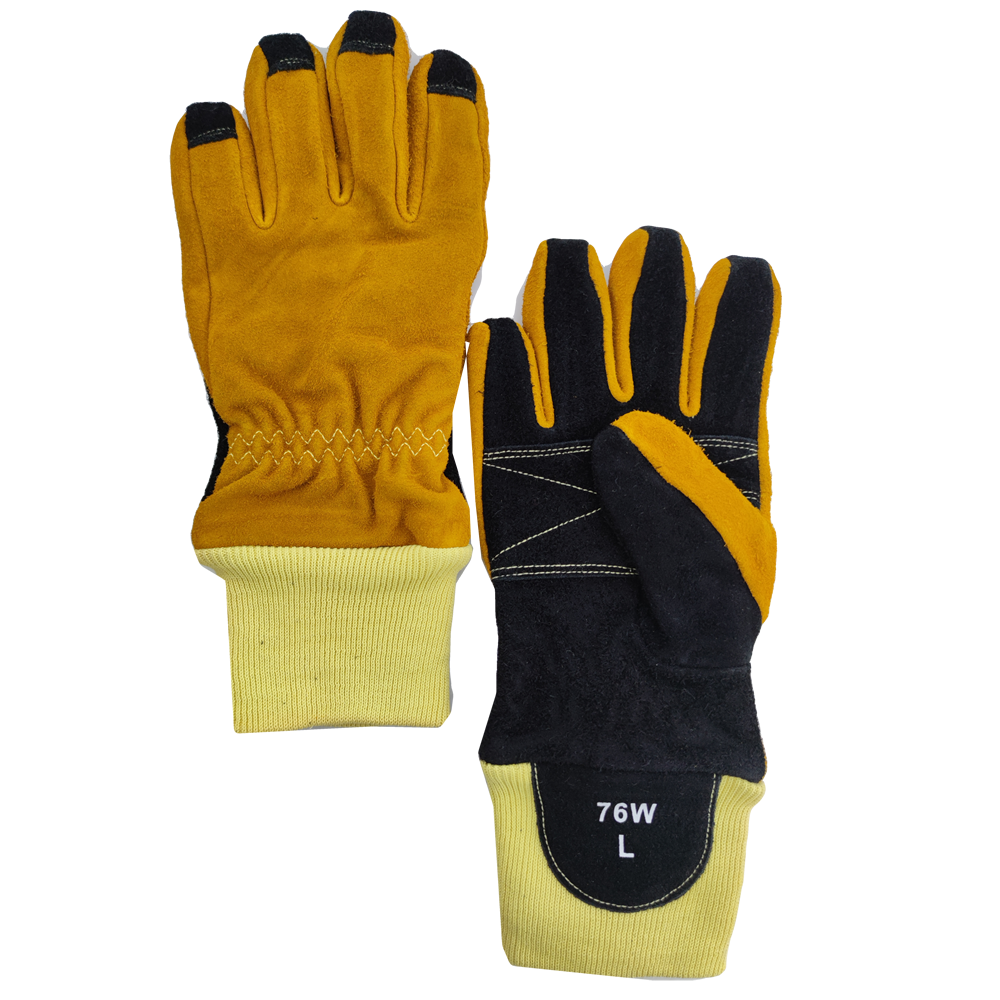
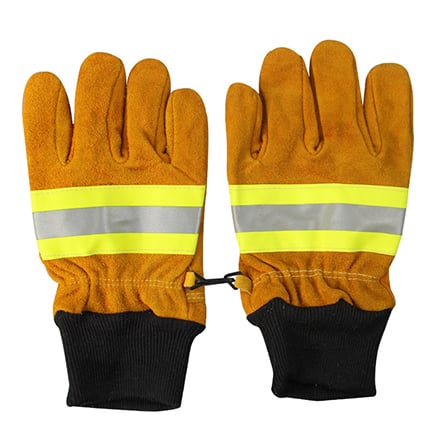
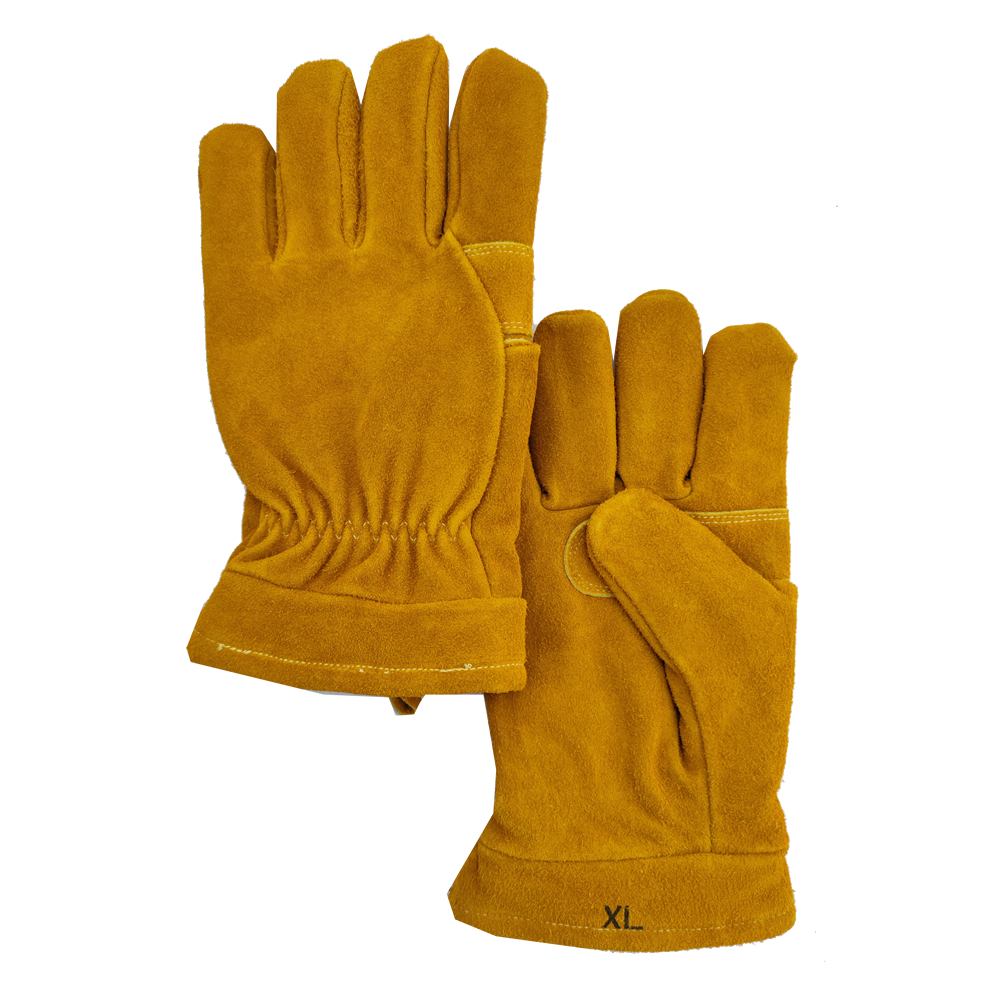
Gloves. Heat- and cut-resistant leather gloves with a palm that still allows a crew member to work a hose coupling, a radio or a hand tool. Tested to EN 659, EN 388 (mechanical) and EN 407 (thermal).
Boots. Full-grain leather wildland boots with a puncture-resistant midsole, heat-resistant outsole and side zip for fast doffing at the end of a shift. Built on EN ISO 20345 and NFPA 1977 footwear requirements — protection against the sharp, burned stubble that crews walk through for hours.
Base layer and station wear. Moisture-managing FR underlayers that keep the shell off the skin and reduce the heat load inside the suit.
Kit and logistics. Crew kit bags, name and brigade marking, and a size-run structure that lets a unit outfit a full shift without mixing sizes on the truck.
Proven in the smoke, improved on the line
The most useful specification in wildland PPE is not printed on a certificate. It comes from the crews who wear the gear through a full season.
Feedback from Israeli users has shaped the current generation of the ANBEN FIRE wildland suit: deeper chest pockets positioned to clear a harness, a longer back hem that stays tucked when a wearer bends to cut line, cuff closures that seal against embers without blocking a glove, and a lighter hood pattern that reduces heat build-up around the neck during extended work in direct sun.
In a forest fire, that kind of detail is not cosmetic. A suit that lets a crew member work one more hour before fatigue sets in is a suit that keeps a break from becoming a running crown fire.
Support that continues after delivery
ANBEN FIRE works with its Israeli partner on more than shipment: size runs and fit checks before a brigade order is confirmed, brigade marking and kit assembly, and a resupply path for replacement gloves, hoods and shells as gear is consumed by a long season. Technical documentation and test reports are supplied with each order so procurement teams can match the gear to their own national requirements.
Looking ahead
Wildland fire seasons in the Eastern Mediterranean are getting longer, and the WUI is getting wider. For fire services, that means the question is no longer whether a crew will fight fire in the forest, but how often. Equipment that keeps a crew mobile, visible and thermally protected on that line is no longer a specialist purchase — it is core capability.
ANBEN FIRE continues to develop its wildland range with the crews who use it, and to support partners across the Mediterranean, the Middle East and beyond with certified protective equipment and the logistics behind it.
About ANBEN FIRE
ANBEN FIRE is a manufacturer and exporter of firefighting and personal protective equipment, supplying fire services, distributors and OEM partners in more than [number] countries. The range covers wildland and structural firefighting clothing, firefighter boots and gloves, hoods and helmets, and supporting accessories — engineered and tested to EN, NFPA and ISO requirements.
Recommended Products
Hot News
-
Halligan Crowbar
2024-10-20
-
Argentine Client Visit Fire Equipment Factory
2024-10-30
-
Daily drills of Shanghai Fire Brigade
2024-12-20
-
New-Generation High-Performance Firefighter Helmets Roll Off Production Line, Empowering Global Fire Rescue with Chinese Manufacturing Excellence
2026-04-08
-
ANBENFIRE Equips First-Class Drill: Showcasing Full Range of Professional Firefighting Gear
2026-04-08