EN
EN
 AR
AR
 BG
BG
 DA
DA
 NL
NL
 FR
FR
 DE
DE
 HI
HI
 IT
IT
 JA
JA
 KO
KO
 NO
NO
 PL
PL
 PT
PT
 RO
RO
 RU
RU
 ES
ES
 SV
SV
 TL
TL
 ID
ID
 SK
SK
 SL
SL
 UK
UK
 VI
VI
 TH
TH
 TR
TR
 MS
MS
 BE
BE
 HY
HY
 AZ
AZ
 KA
KA
 BN
BN
 BS
BS
 EO
EO
 JW
JW
 LO
LO
 MN
MN
 NE
NE
 MY
MY
 KK
KK

The Tank on Your Back: What Firefighters Wish They Knew About SCBA
Meta Description: Your SCBA is the difference between walking out and being carried out. How air consumption, mask fit, and maintenance habits change how long your air lasts.
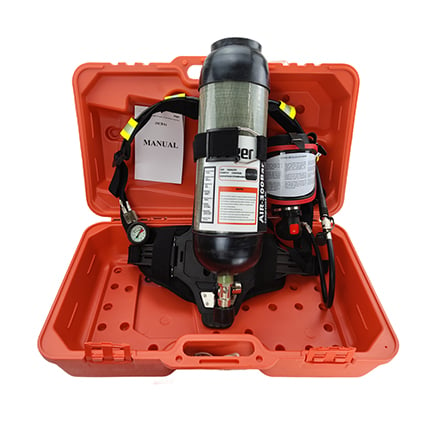
The mask goes on, the straps get yanked, and somebody does the little two-finger check on the seal. That's the whole ritual for a lot of firefighters — and it's exactly why SCBA problems show up at the worst possible moment. The bottle on your back is the most reliable piece of gear you own, right up until it isn't.
Start with the basics that still get skipped: the regulator check. Before every shift, that first pull from the tank should feel like it's fighting you — a solid, steady blast of air. If it hisses, if it sputters, if it feels weak, that's not a quirk. That's a ticket.
Air consumption is where the myths live. Everyone thinks bigger lungs or bigger tanks are the answer. The real answer is breathing technique — slow, deep, and steady. Panic breaths drain a 45-minute bottle in fifteen. Controlled breathing stretches it past the hour mark. The guys who look calm on air aren't just tougher; they're breathing like they've practiced, because they have.
Fit testing isn't a checkbox, it's a measurement. Your mask seals against your face, and faces don't come in standard sizes. A mask that fits the captain perfectly can leak on you at the worst moment. If your department does fit testing once a year, good. If the seal check at the start of shift is all you've got, push for the real test. Facial hair, weight changes, even a sunburn can change a seal. Recheck.
Then there's maintenance, the part nobody owns. The cylinder needs to be hydrostatically tested on a schedule — that's stamped right on the bottle. The straps dry out and crack in the sun. The lens scratches and fogs, and a fogged lens in a smoky hallway is a real problem wearing a mask. Clean the mask after every use, dry it properly, and never store it in direct sun. Cheap to do, expensive to skip.
One more thing people forget: the buddy system on air isn't just about watching each other's backs. It's about knowing each other's air. A quick hand signal or a glance at the gauge when you switch teams tells you who's getting low before they tell you. The best SCBA habits are the boring ones, done every shift, every time, without being asked.
Recommended Products

Hot News
-
Halligan Crowbar
2024-10-20
-
Argentine Client Visit Fire Equipment Factory
2024-10-30
-
Daily drills of Shanghai Fire Brigade
2024-12-20
-
New-Generation High-Performance Firefighter Helmets Roll Off Production Line, Empowering Global Fire Rescue with Chinese Manufacturing Excellence
2026-04-08
-
ANBENFIRE Equips First-Class Drill: Showcasing Full Range of Professional Firefighting Gear
2026-04-08