
 EN
EN
 AR
AR
 BG
BG
 DA
DA
 NL
NL
 FR
FR
 DE
DE
 HI
HI
 IT
IT
 JA
JA
 KO
KO
 NO
NO
 PL
PL
 PT
PT
 RO
RO
 RU
RU
 ES
ES
 SV
SV
 TL
TL
 ID
ID
 SK
SK
 SL
SL
 UK
UK
 VI
VI
 TH
TH
 TR
TR
 MS
MS
 BE
BE
 HY
HY
 AZ
AZ
 KA
KA
 BN
BN
 BS
BS
 EO
EO
 JW
JW
 LO
LO
 MN
MN
 NE
NE
 MY
MY
 KK
KK

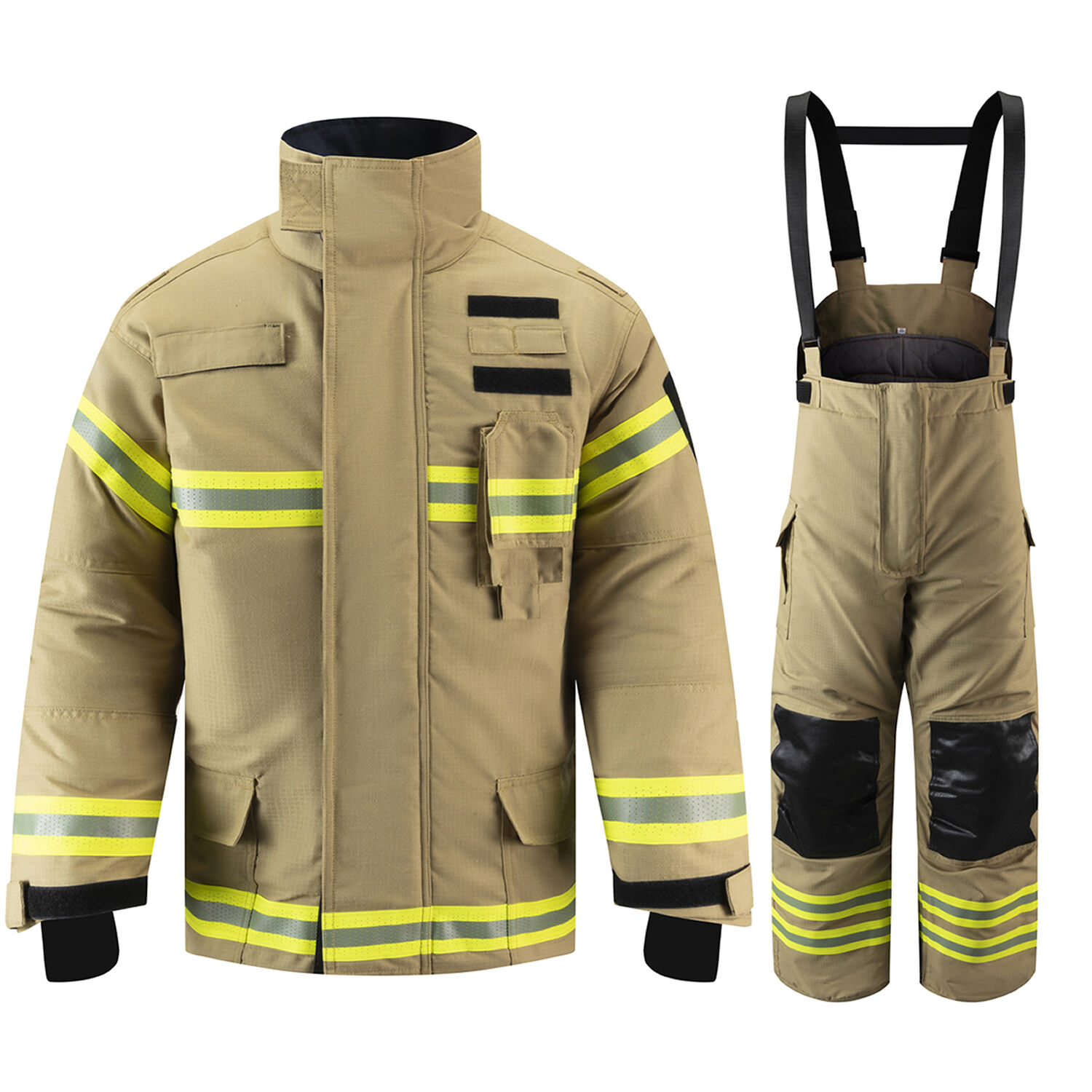
A firefighter’s turnout suit is more than just clothing—it’s a critical piece of personal protective equipment (PPE) that can mean the difference between life and death. But even the highest-quality fire suit will fail if not properly maintained. Professional fire suit maintenance isn’t just a “nice-to-have”; it’s a legal and ethical obligation to protect the firefighters who rely on this gear daily. The National Fire Protection Association (NFPA) has established strict guidelines (NFPA 1851) to ensure PPE is maintained to peak performance, reducing health risks and extending gear life. In this blog, we’ll outline the essential maintenance steps you can’t ignore.
Why Maintenance Matters: Beyond Just Longevity
Many fire departments and firefighters underestimate the importance of regular maintenance. But the consequences of neglect are severe:
-
Reduced protection: A damaged or contaminated suit can’t shield against heat, flames, or chemicals, putting firefighters at risk of burns or long-term health issues from carcinogens.
-
Shortened lifespan: Neglected gear wears out faster, leading to higher replacement costs for fire departments.
-
Compliance issues: NFPA 1851 and OSHA require regular maintenance and documentation—failure to comply can result in fines or liability issues.
-
Health risks: Firefighter suits absorb carcinogens, toxic chemicals, and biological hazards from fire scenes. Without proper cleaning and decontamination, these contaminants can be absorbed through the skin, increasing the risk of cancer and other illnesses.
Professional maintenance isn’t just about keeping gear looking good—it’s about keeping firefighters safe, healthy, and compliant.
Essential Maintenance Steps for Fire Suits
1. Immediate Post-Incident Care
The first step in maintenance happens right after a fire or emergency. Don’t let contaminated gear sit—act quickly to prevent contaminants from setting into the fabric:
-
Decontaminate on-site: Use a hose to rinse off visible debris, ash, and chemicals. Avoid scrubbing too hard, as this can damage the fabric or waterproof layers.
-
Separate contaminated gear: Store used suits in a designated, well-ventilated area away from clean gear and living quarters to prevent cross-contamination.
-
Inspect for damage: Do a quick visual check for tears, burns, loose stitching, or damage to reflective tape. Note any issues for later repair.
2. Regular Cleaning: Follow NFPA Guidelines
Cleaning is one of the most critical maintenance tasks. NFPA 1851 recommends that all issued gear be machine cleaned at least twice a year (once every six months) and inspected annually. However, gear should be cleaned more frequently if it’s heavily contaminated (e.g., after a chemical fire or biohazard incident).
Key cleaning tips:
-
Use the right detergent: Avoid harsh detergents, bleach, fabric softeners, or stain removers—these can break down the flame-resistant (FR) properties and waterproof layers of the suit. Use a mild, FR-compatible detergent recommended by the suit manufacturer.
-
Wash correctly: Use a commercial washing machine (not a home washer) with cold or warm water (never hot, as it can damage fabric). Use a gentle cycle and avoid overloading the machine to ensure thorough cleaning and rinsing.
-
Dry properly: Hang the suit to air dry in a well-ventilated area away from direct sunlight, heat sources, or open flames. Never use a dryer, as high heat can melt or damage the fabric and waterproof layers.
For heavily contaminated gear, consider professional cleaning by a verified Independent Service Provider (ISP) that specializes in firefighter PPE. ISPs are required to undergo annual verification by independent laboratories to ensure they effectively remove contaminants and carcinogens.
3. Thorough Inspections: Catch Damage Early
Inspections should be done regularly—after each use, monthly, and annually—to identify damage before it becomes a safety hazard. NFPA 1851 requires documentation of all inspections, so keep detailed records of findings and repairs.
What to check during inspections:
-
Outer shell: Look for tears, burns, fraying, or discoloration. Check reinforced areas (elbows, knees, shoulders) for wear. Ensure reflective tape is intact, visible, and securely attached (reflective tape should be 360° visible for maximum visibility).
-
Waterproof/moisture barrier: Check for leaks by pouring a small amount of water on the suit—if water soaks through, the barrier is damaged and needs repair or replacement. Look for delamination (separation of layers).
-
Thermal liner: Inspect for tears, compression, or contamination. The liner provides most of the suit’s thermal protection, so even small damage can reduce its effectiveness.
-
Hardware: Check zippers, snaps, Velcro, and buckles to ensure they’re functional and secure. Replace any damaged hardware immediately—faulty zippers or buckles can leave firefighters exposed.
4. Repairs: Address Issues Promptly
Never use a damaged fire suit. Even small tears or holes can compromise protection. Repairs should be done by a professional who is trained in firefighter suit repair and uses manufacturer-approved materials. Common repairs include:
-
Patching tears or holes in the outer shell or liner.
-
Replacing worn or damaged reflective tape.
-
Repairing or replacing zippers, snaps, or Velcro.
-
Re-sewing loose stitching (stitches should be tight and even—3cm should have at least 12 stitches for明暗线 and 9 for包缝线).
Avoid DIY repairs, as using the wrong materials or techniques can damage the suit further and void the manufacturer’s warranty.
5. Proper Storage: Protect Gear When Not in Use
How you store your fire suit is just as important as cleaning and inspecting it. Improper storage can lead to mold, mildew, fabric degradation, and contamination:
-
Store in a clean, dry, well-ventilated area: Avoid damp, dark spaces (e.g., basements) that promote mold growth. Use a breathable storage bag or hanging rack—never store gear in a plastic bag, as it traps moisture.
-
Hang properly: Hang the suit by the shoulders to avoid creasing or compressing the thermal liner. Don’t fold the suit for long periods, as this can damage the layers.
-
Keep away from heat and chemicals: Store gear away from heaters, furnaces, or chemicals (e.g., cleaning supplies) that can damage the fabric or FR properties.
-
Separate clean and contaminated gear: Never store used, contaminated gear with clean gear—this can cross-contaminate clean suits with carcinogens or toxins.
6. Replace Gear When Necessary
Even with proper maintenance, fire suits have a limited lifespan. NFPA guidelines recommend replacing structural firefighting suits every 5–10 years, depending on use and condition. Signs that it’s time to replace a suit include:
-
Irreparable damage (e.g., large burns, extensive tears).
-
Delamination of layers that can’t be repaired.
-
Loss of flame resistance (tested by a professional).
-
Exceeding the manufacturer’s recommended service life (usually 10 years).
Professional fire suit maintenance is a non-negotiable part of firefighter safety. By following these steps—immediate post-incident care, regular cleaning, thorough inspections, prompt repairs, proper storage, and timely replacement—you can ensure that your gear remains effective, compliant, and ready to protect firefighters when they need it most. Remember: a well-maintained suit is a life-saving suit.