
 EN
EN
 AR
AR
 BG
BG
 DA
DA
 NL
NL
 FR
FR
 DE
DE
 HI
HI
 IT
IT
 JA
JA
 KO
KO
 NO
NO
 PL
PL
 PT
PT
 RO
RO
 RU
RU
 ES
ES
 SV
SV
 TL
TL
 ID
ID
 SK
SK
 SL
SL
 UK
UK
 VI
VI
 TH
TH
 TR
TR
 MS
MS
 BE
BE
 HY
HY
 AZ
AZ
 KA
KA
 BN
BN
 BS
BS
 EO
EO
 JW
JW
 LO
LO
 MN
MN
 NE
NE
 MY
MY
 KK
KK

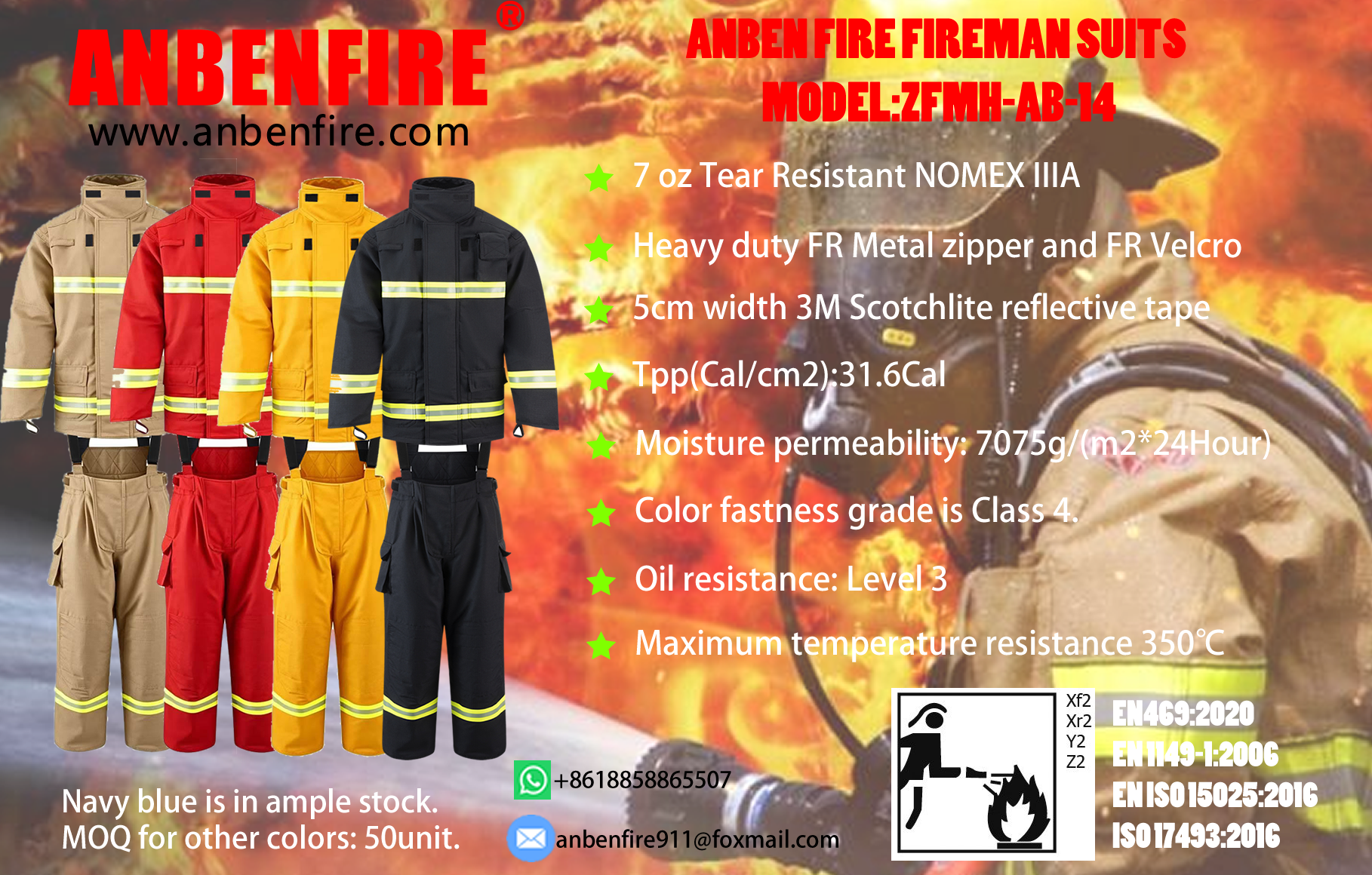
When purchasing firefighter suits, safety, compliance, and reliability are non-negotiable. For fire departments, industrial safety teams, and emergency responders across Europe and the globe, the EN469 standard is the gold benchmark for structural firefighter protective clothing. EN469:2020 (the latest revision) is a comprehensive European standard that sets minimum performance requirements for firefighter suits, ensuring they can withstand the harsh conditions of structural fires, rescue operations, and disaster relief. But with so many options on the market, how do you choose a reliable EN469 fire suit? This complete buyer’s guide will walk you through everything you need to know to make an informed decision.
What Is EN469? Understanding the Standard
First, it’s critical to understand what EN469 is—and what it isn’t. EN469 is a European standard (adopted by all EU and EFTA countries by January 2021) that specifies the minimum performance requirements for protective clothing worn by firefighters during structural firefighting. It’s not a single test but a comprehensive evaluation system covering thermal protection, waterproofing, breathability, mechanical strength, and more.
Key points about EN469:2020 (the latest revision, which supersedes the 2005 version):
-
Scope: Applies to structural firefighting suits (not wildland/forest firefighting—see EN 15384—or chemical rescue—see EN 943).
-
Core Purpose: Protect firefighters from thermal hazards (flames, radiant heat), environmental hazards (water, chemicals), physiological hazards (heat stress), and mechanical hazards (tearing, abrasion).
-
National Adoptions: Each EU/EFTA country adopts EN469 as a national standard (e.g., BS EN 469:2020 in the UK, NF EN 469:2021 in France).
-
Compliance: Suits must be tested and certified by a Notified Body (an accredited institution) to meet EN469 requirements. Look for a valid certification mark on the suit.
Key EN469 Requirements to Look For
When evaluating an EN469 fire suit, ensure it meets these critical performance requirements. These are the minimum standards—higher-quality suits will exceed them:
1. Thermal Protection (TPP Rating)
Thermal Protective Performance (TPP) measures a suit’s ability to shield against radiant and conductive heat. EN469 requires a minimum TPP rating of 28 cal/cm² (consistent with global standards like NFPA 1971). For high-risk operations (e.g., interior structural firefighting), look for suits with a TPP rating of 35+ cal/cm² for enhanced protection.
2. Flame Resistance (FR)
EN469 requires the suit’s outer shell, thermal liner, and moisture barrier to be inherently flame-resistant (not just treated). The fabric should not melt, drip, or ignite when exposed to flames. Look for materials like Nomex® or PBI, which are inherently FR and meet EN469’s FR requirements. The outer shell should have a Damage length of no more than 100mm and a Afterburning time of no more than 2 seconds.
3. Waterproof and Breathable Barrier
The suit’s moisture barrier must prevent water, steam, and chemicals from penetrating while allowing perspiration to escape (to reduce heat stress). EN469 requires a minimum water resistance of 17 kPa (static pressure) and a水蒸气透过量 of at least 5000g/(m²·24h). Look for barriers made from ePTFE or Nomex®-based materials, which offer both waterproofing and breathability.
4. Mechanical Strength
Firefighter suits must withstand tearing, abrasion, and impact. EN469 specifies minimum requirements for: Tear strength: At least 100N in both warp and weft directions.Abrasion resistance: The outer shell should withstand at least 50,000 cycles of abrasion without tearing.Tensile strength: At least 650N in both warp and weft directions for the outer shell.
5. Visibility
EN469 requires reflective tape (retroreflective material) on the suit to ensure firefighters are visible in low-light conditions. The tape should be at least 50mm wide and placed on the chest, sleeves, and legs for 360° visibility. Look for tape that meets EN 471 (the standard for high-visibility clothing) for maximum reflectivity.
6. Comfort and Mobility
While not a strict EN469 requirement, comfort and mobility are critical for firefighters. The suit should be lightweight (ideally 3–5kg) and flexible, allowing for full range of motion (e.g., climbing, bending, lifting). Features like articulated knees, adjustable cuffs, and breathable liners (e.g., Nomex E89™) enhance comfort and reduce fatigue during long operations.
EN469 Level Classifications: Level 1 vs. Level 2
EN469 classifies fire suits into two levels based on risk intensity. Choosing the right level depends on your team’s operational needs:
-
Level 1: Basic protection for outdoor firefighting, traffic control, water supply, or site cleanup—scenarios where there’s no risk of direct flame engulfment. Level 1 suits are lightweight and cost-effective but have limited thermal protection.Do not use for interior structural firefighting.
-
Level 2: Enhanced protection for interior structural firefighting, rescue operations, or any scenario with direct flame exposure or unknown risks. Level 2 suits have higher TPP ratings, better abrasion resistance, and improved thermal liners. Industry experts recommend Level 2 for most fire departments and high-risk operations.
Critical Factors to Consider When Buying an EN469 Fire Suit
1. Certification and Compliance
Always verify that the suit is certified to EN469:2020 (not the outdated 2005 version). Ask the manufacturer for a copy of the certification from a Notified Body. Avoid suits that claim “EN469-compliant” without proper certification—these may not meet the standard’s requirements. Note that existing suits compliant with EN469:2005 do not need to be replaced, but new purchases should be EN469:2020-compliant.
2. Material Quality
The materials used in the suit directly impact its performance and durability. Opt for: Outer shell: Nomex® or Nomex®/Kevlar® blend (inherently FR, durable, and breathable) with a Teflon® HT treatment for water resistance.Thermal liner: Nomex® E89™ or similar lightweight, breathable material that provides excellent insulation without bulk.Moisture barrier: ePTFE or Nomex®-based membrane for waterproofing and breathability.
3. Fit and Sizing
A poorly fitting suit can reduce mobility and protection. Ensure the suit fits snugly but allows for layering (e.g., undergarments, thermal layers) without restricting movement. Look for adjustable features like waistbands, cuffs, and collars to customize the fit. Most manufacturers offer a range of sizes (including tall and short options) to accommodate different body types. The suit should have a collar height of at least 102mm with a. Overlapping or fastening accessories for added protection.
4. Durability and Longevity
Firefighter suits are a significant investment—choose a suit that’s built to last. Look for reinforced high-wear areas (elbows, knees, shoulders), strong stitching (double-stitched seams), and durable hardware (zippers, snaps, Velcro). A high-quality EN469 suit should last 5–10 years with proper maintenance. Also, check if the manufacturer offers a warranty (most reputable brands offer 1–3 years).
5. Manufacturer Reputation
Buy from a reputable manufacturer with experience in firefighter PPE. Look for brands that: Have a proven track record of producing EN469-certified suits.Offer after-sales support (e.g., repairs, replacement parts).Participate in standard-setting committees (e.g., NFPA, CEN) to stay updated on the latest safety requirements.
6. Budget Considerations
EN469 fire suits vary in price, depending on level, materials, and features. While it’s tempting to choose the cheapest option, remember that this is life-saving gear. Invest in a Level 2 suit if your team performs interior firefighting— the extra protection is worth the cost. Consider bulk discounts if purchasing for an entire department, and factor in long-term costs (maintenance, repairs, replacement) when budgeting.
Common Mistakes to Avoid When Buying
-
Choosing a suit based solely on price (sacrificing protection and durability).
-
Buying a suit certified to the outdated EN469:2005 version instead of 2020.
-
Ignoring fit— a suit that’s too loose or too tight can be dangerous.
-
Overlooking after-sales support— you’ll need reliable repairs and replacement parts.
-
Confusing EN469 with other standards (e.g., EN 15384 for wildland fires)— ensure the suit matches your operational needs.
Buying a reliable EN469 fire suit is an investment in firefighter safety. By understanding the standard, prioritizing key features (certification, materials, fit), and avoiding common mistakes, you can choose a suit that meets your team’s needs and provides the protection they deserve. Remember: a compliant, high-quality EN469 suit isn’t just a requirement—it’s a lifeline.