
 EN
EN
 AR
AR
 BG
BG
 DA
DA
 NL
NL
 FR
FR
 DE
DE
 HI
HI
 IT
IT
 JA
JA
 KO
KO
 NO
NO
 PL
PL
 PT
PT
 RO
RO
 RU
RU
 ES
ES
 SV
SV
 TL
TL
 ID
ID
 SK
SK
 SL
SL
 UK
UK
 VI
VI
 TH
TH
 TR
TR
 MS
MS
 BE
BE
 HY
HY
 AZ
AZ
 KA
KA
 BN
BN
 BS
BS
 EO
EO
 JW
JW
 LO
LO
 MN
MN
 NE
NE
 MY
MY
 KK
KK

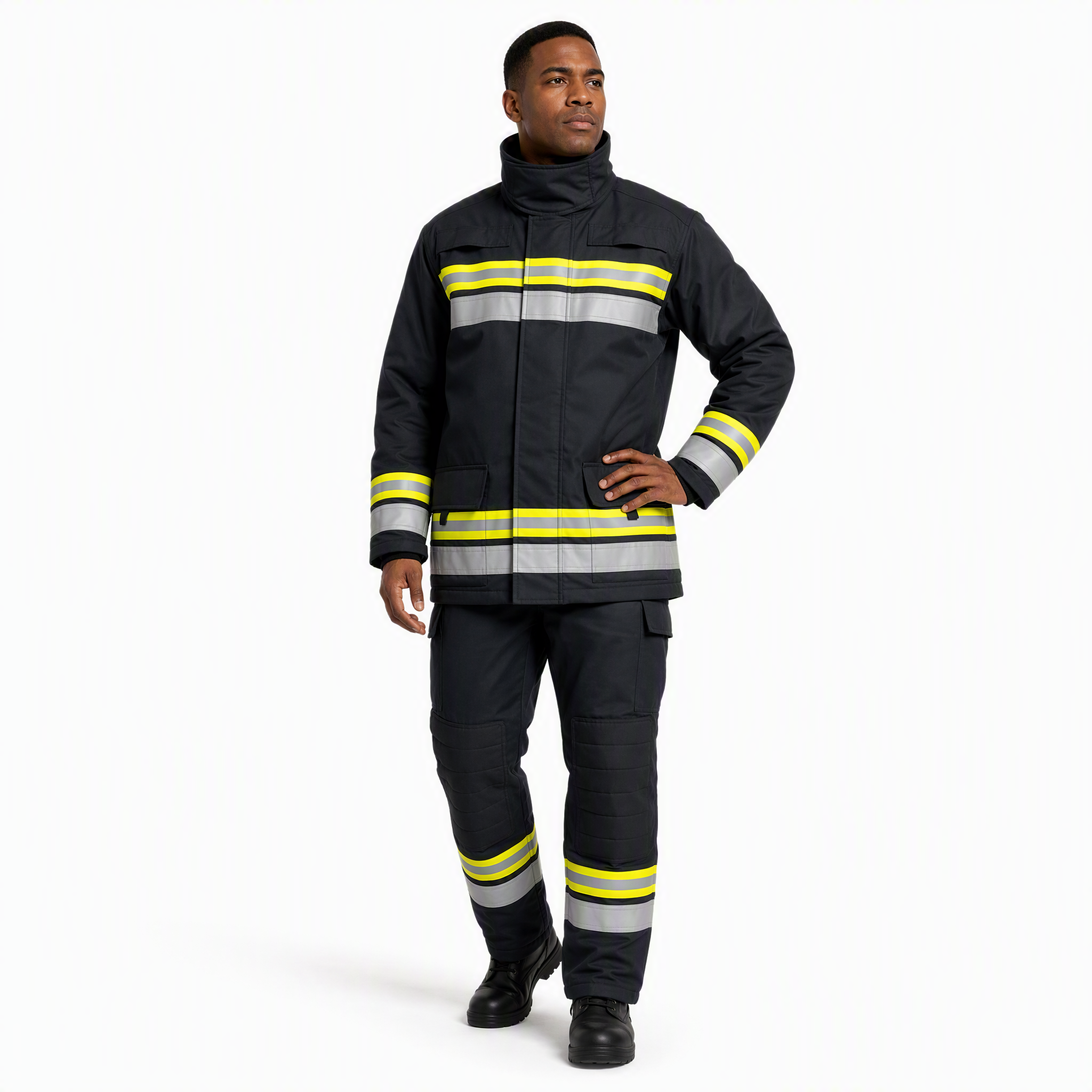
Nobody joins the fire service to become a gear accountant. But the firefighter who takes care of their kit quietly gets more years out of it, and more importantly, more reliability out of it. These are the habits that separate gear that lasts from gear that dies young.
-
Clean turnout gear on a schedule, not an emergency. NFPA 1971 gear should be washed after heavy use and regularly even when it looks clean. Smoke residue is acidic and eats the fabric from the inside. Use the right detergent — the cheap stuff from the grocery aisle can strip the moisture barrier's finish.
-
Never, ever dry gear in a dryer. Not the machine dryer, not over a radiator, not in the direct sun. High heat cooks the fibers and the reflective trim. Air-dry indoors, hanging, out of direct light. It takes longer. That's the point.
-
Check the reflective trim after every wash. The trim is your visibility at night, and it's the first thing that delaminates. If it's peeling, that's not a cosmetic issue — it's a safety issue that needs a repair ticket, not a shrug.
-
Store helmets out of the sun. UV is the slow killer of helmet shells and suspension liners. A helmet rack near a sunny window ages the plastic years ahead of schedule. A locker or a shade cloth costs nothing.
-
Replace the helmet liner on a timer, not a feeling. The suspension liner absorbs sweat and grime and quietly breaks down. Mark the date when you get a new helmet. Change the liner at the interval your manufacturer recommends — usually every few years — even if it looks fine.
-
Rotate gloves. Two pairs of gloves, used alternately, will outlast three pairs used one at a time. Sweat-soaked leather that never dries out is dead leather. Rotation gives each pair time to recover.
-
Dry gloves slowly and inside-out. Stuff them loosely with newspaper or a glove dryer on low — no heat. And check the seams where the thumb meets the palm. That's the first place structural gloves split.
-
Condition leather boots, but don't drown them. A thin layer of boot conditioner two or three times a year keeps the leather flexible and water-resistant. Too much conditioner softens the leather and it loses shape. Think seasoning a pan, not deep-frying.
-
Check boot soles for the nail test. Press your thumb into the sole. If you can feel the puncture plate or soft spots, the boot is due for inspection. Soles wear unevenly, and the heel is usually the first to go.
-
Inspect zippers and hardware after every dirty call. Sand, grit, and soot get into zippers and corrode snaps. A rinse and a squirt of silicone lubricant keeps them moving. A stuck zipper on a coat is a door that won't close.
-
Keep a gear log, even a mental one. Note when each piece was issued, when it was washed, when it took a hit. Gear life is measured in events, not months. You can't manage what you don't track.
-
Retire gear on the standard, not sentiment. NFPA gives turnout gear roughly ten years of service life, less if it's been through heavy heat exposure. The jacket that was on your first big fire might be your favorite — but favorites don't pass burn tests. When the time comes, frame it on the wall. Don't wear it into a building.
The expensive part of firefighting gear isn't the price tag — it's replacing it before it should be replaced, or trusting it after it shouldn't be trusted. These twelve habits are cheap. The gear they protect isn't.