
 EN
EN
 AR
AR
 BG
BG
 DA
DA
 NL
NL
 FR
FR
 DE
DE
 HI
HI
 IT
IT
 JA
JA
 KO
KO
 NO
NO
 PL
PL
 PT
PT
 RO
RO
 RU
RU
 ES
ES
 SV
SV
 TL
TL
 ID
ID
 SK
SK
 SL
SL
 UK
UK
 VI
VI
 TH
TH
 TR
TR
 MS
MS
 BE
BE
 HY
HY
 AZ
AZ
 KA
KA
 BN
BN
 BS
BS
 EO
EO
 JW
JW
 LO
LO
 MN
MN
 NE
NE
 MY
MY
 KK
KK

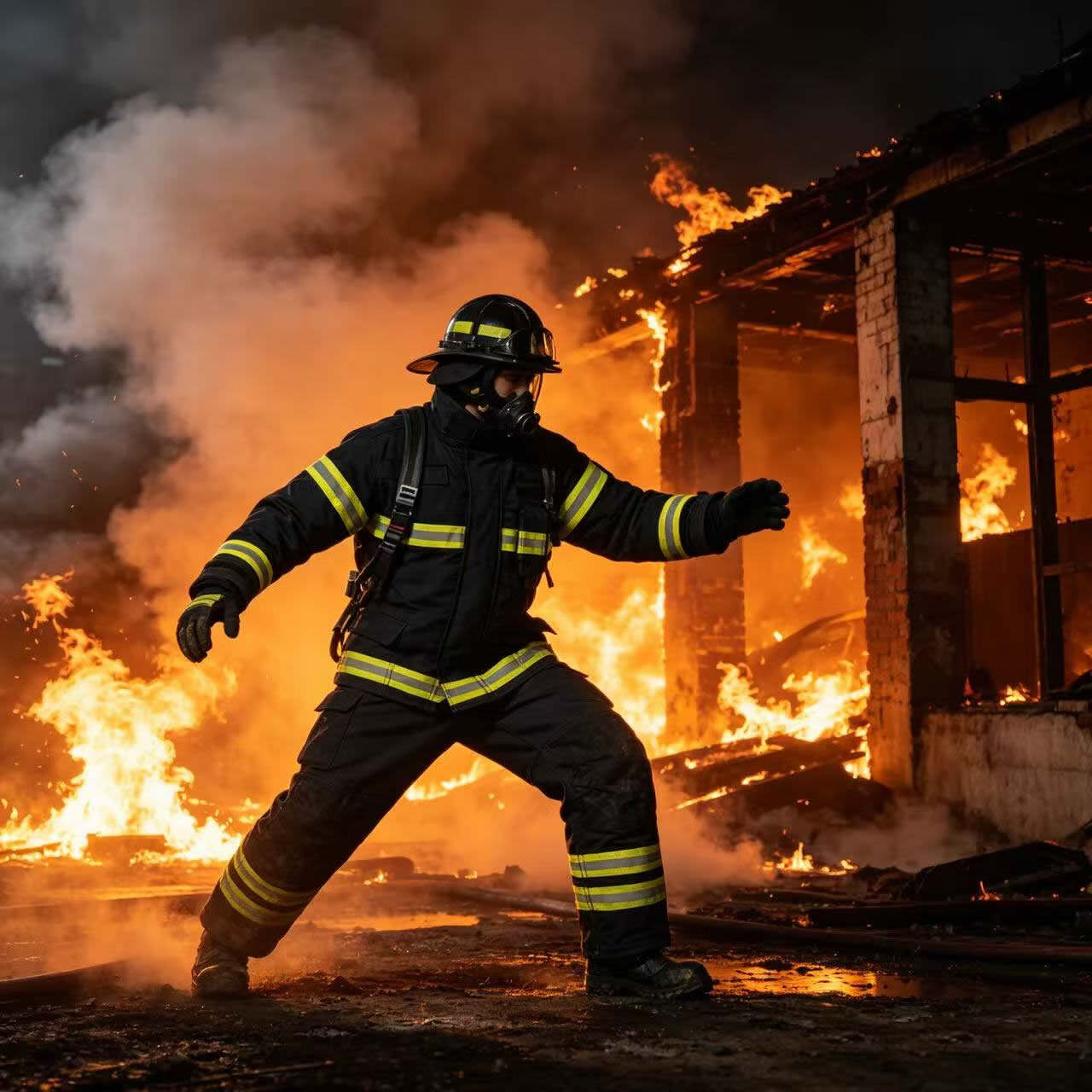
1. Ինչու՞ է Nomex-ը լավագույն նյութը հրշեջային համազգեստների համար
Երբ հրշեջները շտապում են բռնկված շենքերի մեջ, շարժվում են այրող տաքության մեջ կամ դիմագրավում են անկանխատեսելի հրդեհային վտանգներին, նրանց համազգեստները հանդիսանում են վերջին պաշտպանական գիծը: Բոլոր նյութերի մեջ, որոնք օգտագործվում են հրշեջային պաշտպանական սարքավորումներում, Nomex®-ը առանձնանում է որպես «ոսկե ստանդարտ», և դրա համար կան լավ պատճառներ: Դա բարձր կատարողականության արամիդային մանրաթել է, որը մշակվել է DuPont ընկերության կողմից և նախատեսված է հրշեջների կողմից հանդիպող ամենածանր պայմաններին դիմանալու համար՝ ապահովելով անհամեմատելի պաշտպանություն, մշակումային կայունություն և հարմարավետություն, որոնք որևէ այլ նյութ չի կարող ապահովել: Այժմ մենք կվերլուծենք, թե ինչու է Nomex-ը հրշեջային համազգեստների վերջնական ընտրությունը:
Անհամեմատելի ջերմային պաշտպանություն՝ հրշեջային անվտանգության հիմքը
Հրշեջի համազգեստի հիմնական նպատակն է պաշտպանել բարձր ջերմությունից, բոցերից և ջերմային ճառագայթումից՝ սպառնալիքներից, որոնք վայրկյանների ընթացքում կարող են առաջացնել ծանր այրվածքներ: Այս տեսանկյունից Նոմեքսը առանձնանում է իր բնական կրակադիմացող (FR) հատկություններով: Ի տարբերություն մշակված մատերիալների, որոնք ժամանակի ընթացքում կամ լվացման հետևանքով կորցնում են իրենց FR հատկությունները, Նոմեքսը կրակադիմացող է բնույթով: Երբ ենթարկվում է բարձր ջերմաստիճանի (մինչև 370°C/700°F), այն չի հալվում, չի կաթում և չի բռնվում կրակի: Ընդհակառակը՝ այն ածխացում է և ստեղծում պաշտպանիչ ածխային շերտ, որը մեկուսացնում է հագնողին ջերմությունից և տալիս է կրիտիկական ժամանակ վտանգավոր իրավիճակից փախչելու համար:
Այս ջերմային պաշտպանությունը հիմնված է խիստ փորձարկումների վրա: Nomex-ը համապատասխանում է և գերազանցում է համաշխարհային անվտանգության ստանդարտները, այդ թվում՝ NFPA 1971 (ԱՄՆ-ի կառուցվածքային հրդեհների մեջ օգտագործվող սարքավորումների ստանդարտը) և EN 469 (Եվրոպական ստանդարտը), ինչը երաշխավորում է նրա դիմացկունությունը կառուցվածքային հրդեհների, պայթյունների և ճառագայթային ջերմության ազդեցության դեմ: Հրշեջների համար, ովքեր բռնկված շենքում կարող են հանդիպել 1000 °C-ից բարձր ջերմաստիճանների, այս մակարդակի պաշտպանությունը անպայման անհրաժեշտ է:
Դիմացկունություն՝ ամենադժվար պայմաններում դիմանալու համար
Հրշեջների համազգեստները մաշվում են ավելի շատ, քան գրեթե ցանկացած այլ աշխատանքային համազգեստ: Դրանք քաշվում են մասուրների վրայով, սարքավորումները մաշվում են բետոնի մակերեսի վրա, ենթարկվում են քիմիական նյութերի ազդեցության և կրկնակի լվացման ու ախտահանման: Nomex-ը ստեղծվել է այս ծանր պայմաններում երկար ժամանակ ծառայելու համար: Երբ այն խառնվում է Kevlar®-ի հետ (մեկ այլ բարձր ամրության արամիդային մանրաթել), դառնում է նույնիսկ ավելի դիմացկուն՝ առաջարկելով երկաթից հինգ անգամ ավելի մեծ ամրություն ըստ զանգվածի, մինչդեռ մնում է թեթև:
Նոմեքսի մատերիալները դիմացկուն են մաշվածության, ճեղքվելու և քիմիական վնասվածքների նկատմամբ, ինչը երաշխավորում է համազգեստի կառուցվածքային ամբողջականության պահպանումը նույնիսկ տարիներ շարունակ օգտագործման դեպքում: Այս տևականությունը ոչ միայն կապված է ծախսերի նվազեցման հետ, այլև՝ անվտանգության հետ: Վնասված համազգեստը կարող է ձախողվել հրշեջի ամենաշատ անհրաժեշտ պահին, իսկ Նոմեքսի դիմացկունությունը նվազեցնում է սարքավորման ձախողման ռիսկը կրիտիկական պահերին: Բացի այդ, Նոմեքսի դիմացկունությունը ՈՒՖ ճառագայթման նկատմամբ կանխում է գունաթափվելը և արևի լույսի ազդեցությամբ վատացումը, ինչը հետագայում երկարացնում է համազգեստի ծառայության ժամկետը:
Հարմարավետություն և շարժունակություն. Կյանք փրկող առաջադրանքների համար անհրաժեշտ
Հրդեհաշիջումը ֆիզիկապես պահանջկոտ է։ Հրշեջները պետք է բարձրանան աստիճաններով, տեղափոխեն զոհերին, քարշ տանեն ջրխողովակները և մանևրեն նեղ տարածքներում՝ այդ ամենը կրելով ծանր հանդերձանք։ Կոշտ, ծավալուն կամ անհարմար համազգեստը կարող է դանդաղեցնել նրանց՝ վտանգի ենթարկելով և՛ հրշեջին, և՛ նրանց, ում նրանք փրկում են։ Nomex-ը լուծում է այս խնդիրը՝ լինելով թեթև և ճկուն, թույլ տալով շարժման լիարժեք տիրույթ՝ առանց զոհաբերելու պաշտպանությունը։
Ի տարբերություն կոշտ և ծանր հրդեհային անվտանգության մատերիալների՝ Nomex-ը մեղմ է և շնչում է: Այն հեռացնում է խոնավությունը մաշկից, օգնելով կարգավորել մարմնի ջերմաստիճանը և նվազեցնել ջերմային սթրեսը՝ հրշեջների համար տաք, փակ տարածքներում աշխատելիս հաճախ հանդիպող խնդիրը: Այս շնչելիությունը բարելավվում է առաջադեմ դիզայներով, օրինակ՝ Nomex E89™ ոչ մետաղական ներդիրներով, որոնք բարակ, ճկուն են և բարձր շնչելիություն ունեն՝ միաժամանակ ապահովելով գերազանց ջերմային պաշտպանություն: Հրշեջների համար, ովքեր կարող են իրենց համազգեստները մեկ անգամ մի քանի ժամ կրել, այս հարմարավետությունը կարող է նշանակել տարբերությունը հոգնածության և կենտրոնացման միջև:
Երկարաժամկետ հուսալիություն. ժամանակի ընթացքում հաստատուն պաշտպանություն
Շատ կրակադիմացող մատերիալներ կորցնում են իրենց պաշտպանիչ հատկությունները բազմակի լվացումից կամ խիստ քիմիական նյութերի ազդեցության տակ։ Nomex-ը, սակայն, պահպանում է իր կրակադիմացող հատկությունները և կառուցվածքային ամրությունը даже հարյուրավոր լվացումների և ապահանձնման ցիկլերից հետո։ Սա կարևոր է, քանի որ հրշեջների հագուստը պետք է կանոնավորապես մաքրվի՝ հրդեհի վայրերից կարցինոգենների և այլ աղտոտիչների հեռացման համար. դա չանելը կարող է հրշեջների համար երկարաժամկետ առողջապահական ռիսկեր առաջացնել։
Nomex-ի հատկությունը՝ դիմանալ հաճախակի մաքրման, ապահովում է, որ հագուստը ամբողջ ծառայության ընթացքում մնա անվտանգ և արդյունավետ։ Այն նաև դիմացող է սունկերի, փուտի և բակտերիաների աճին, ինչը անհրաժեշտ է այն սարքավորումների համար, որոնք հաճախ պահվում են խոնավ միջավայրերում (օրինակ՝ հրշեջային կայանների լոքերներում)։ Ճիշտ խնամքի դեպքում Nomex-ից պատրաստված հրշեջային հագուստը կարող է ծառայել 5–10 տարի, տարի առ տարի ապահովելով հաստատուն պաշտպանություն։
Ինչու՞ է Nomex-ը գերազանցում այլ կրակադիմացող մատերիալները
Շուկայում կան այլ բոցադիմացող գործվածքներ, սակայն որևէ մեկը չի համապատասխանում Nomex-ի պաշտպանության, մշակումային կայունության և հարմարավետության հավասարակշռությանը: Օրինակ՝
- Բամբակե խառնուրդներ՝ մշակված բոցադիմացող քիմիական միջոցներով, սակայն ժամանակի ընթացքում կորցնում են պաշտպանությունը և ծանր են, ինչպես նաև ավելի քիչ շնչող են:
- PBI (պոլիբենզիմիդազոլ)՝ առաջարկում է հիասքանչ ջերմադիմացողություն, սակայն ավելի թանկ է և կոշտ է Nomex-ի համեմատ, ինչը նվազեցնում է