EN
EN
 AR
AR
 BG
BG
 DA
DA
 NL
NL
 FR
FR
 DE
DE
 HI
HI
 IT
IT
 JA
JA
 KO
KO
 NO
NO
 PL
PL
 PT
PT
 RO
RO
 RU
RU
 ES
ES
 SV
SV
 TL
TL
 ID
ID
 SK
SK
 SL
SL
 UK
UK
 VI
VI
 TH
TH
 TR
TR
 MS
MS
 BE
BE
 HY
HY
 AZ
AZ
 KA
KA
 BN
BN
 BS
BS
 EO
EO
 JW
JW
 LO
LO
 MN
MN
 NE
NE
 MY
MY
 KK
KK

How to Choose the Right Fire Helmet: Complete Buying Guide 2026
A reliable fire helmet is the most critical personal protective equipment for every firefighter and emergency responder.
It does not only protect the head from falling debris and high-temperature burns but also shields the face, eyes, and neck from flames, smoke, and chemical splashes.
With countless fire helmet models on the market, many buyers struggle to pick a durable, compliant, and cost-effective option for fire stations, industrial teams, and emergency rescue groups.
When shopping for the best fire helmet, the first factor to check is safety certification. Qualified fire helmets must meet strict industry standards such as NFPA certification, EN443 ensuring they can withstand extreme heat, impact, and penetration during fire rescue operations. Uncertified low-cost helmets may look similar but fail to protect users in high-risk scenarios, leading to severe safety hazards.
Next, consider core structural design.

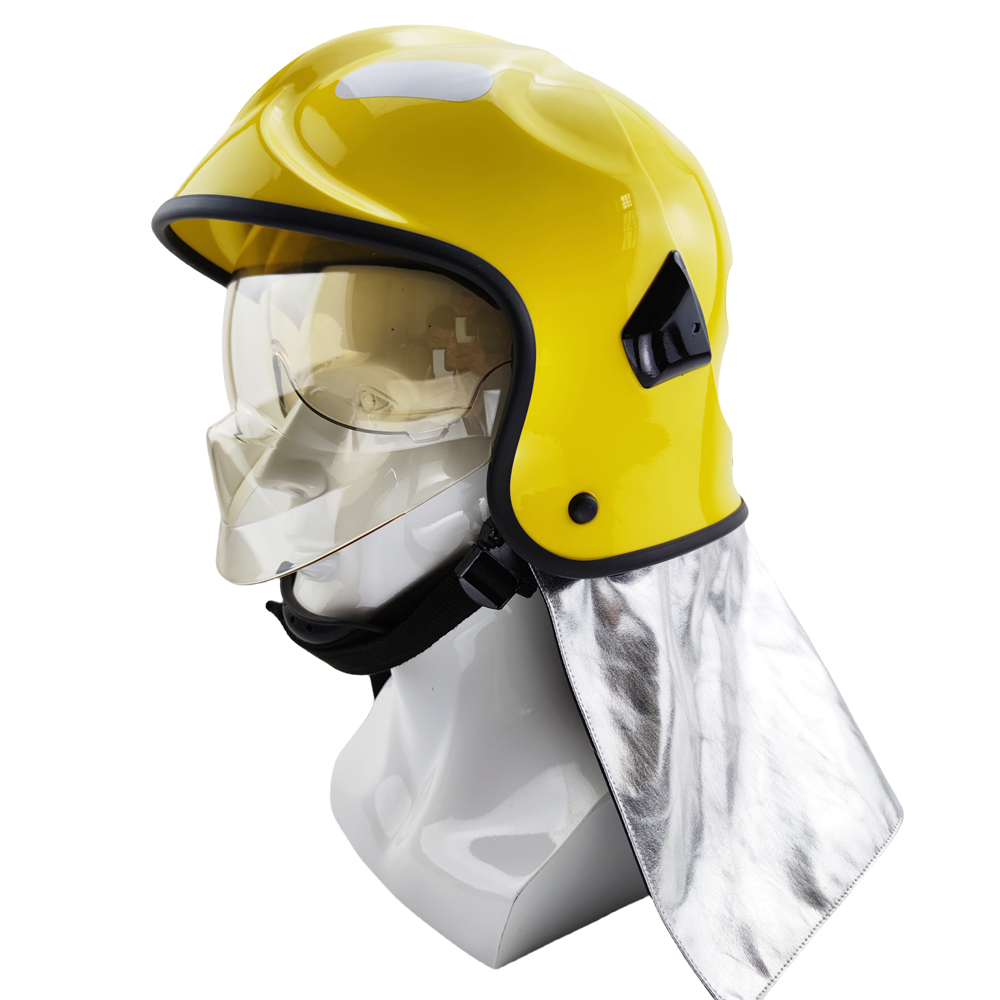
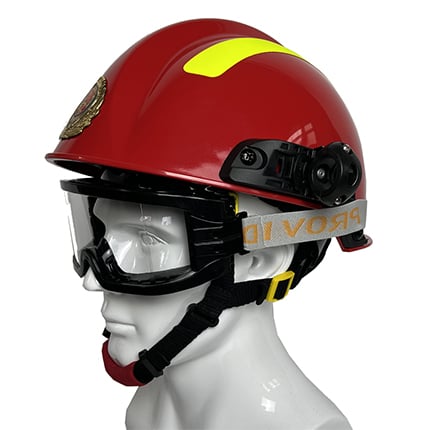
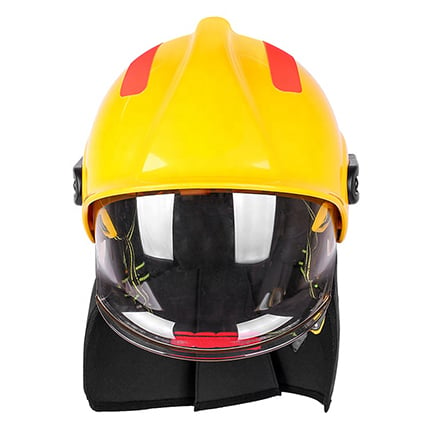
A premium certified fire helmet features a high-strength outer shell, shock-absorbing inner liner, adjustable suspension system, and heat-resistant chin strap.
The outer shell is usually made of advanced thermoplastic or fiberglass composite materials, which deliver lightweight performance without sacrificing impact resistance. The adjustable suspension system fits different head sizes perfectly, preventing the helmet from shaking or falling off during intense rescue movements.
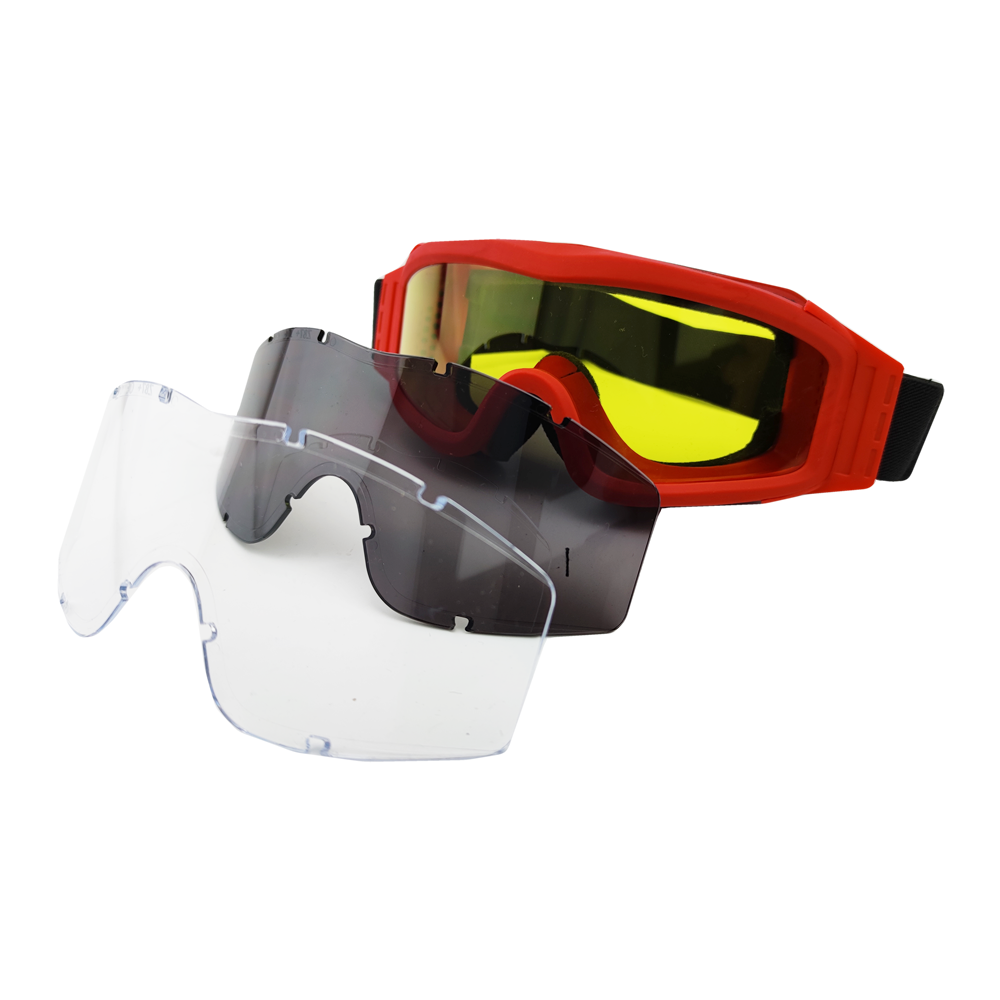
Practical functionality is another key point in this fire helmet buying guide. Modern fire helmets support multi-scene use, equipped with removable face shields, anti-scratch goggles, and neck heat insulation covers.
Some upgraded models reserve mounting slots for flashlights, communication headsets, and thermal imagers, greatly improving rescue efficiency. For long-hour operations, lightweight and breathable design effectively reduces head fatigue for firefighters.
Finally, match the fire helmet to your usage scenario.
Structural fire fighting requires full-protection heavy-duty fire helmets, while industrial fire rescue and daily patrols are suitable for lightweight portable models. Choosing the right fire helmet based on actual needs balances safety performance and budget, avoiding overinvestment or insufficient protection.
A high-quality fire helmet is the first line of defense for rescue workers. Focusing on certification, material, design, and practicality helps you select the most suitable protective equipment for your team.
Recommended Products
Hot News
-
Halligan Crowbar
2024-10-20
-
Argentine Client Visit Fire Equipment Factory
2024-10-30
-
Daily drills of Shanghai Fire Brigade
2024-12-20
-
New-Generation High-Performance Firefighter Helmets Roll Off Production Line, Empowering Global Fire Rescue with Chinese Manufacturing Excellence
2026-04-08
-
ANBENFIRE Equips First-Class Drill: Showcasing Full Range of Professional Firefighting Gear
2026-04-08