
 EN
EN
 AR
AR
 BG
BG
 DA
DA
 NL
NL
 FR
FR
 DE
DE
 HI
HI
 IT
IT
 JA
JA
 KO
KO
 NO
NO
 PL
PL
 PT
PT
 RO
RO
 RU
RU
 ES
ES
 SV
SV
 TL
TL
 ID
ID
 SK
SK
 SL
SL
 UK
UK
 VI
VI
 TH
TH
 TR
TR
 MS
MS
 BE
BE
 HY
HY
 AZ
AZ
 KA
KA
 BN
BN
 BS
BS
 EO
EO
 JW
JW
 LO
LO
 MN
MN
 NE
NE
 MY
MY
 KK
KK

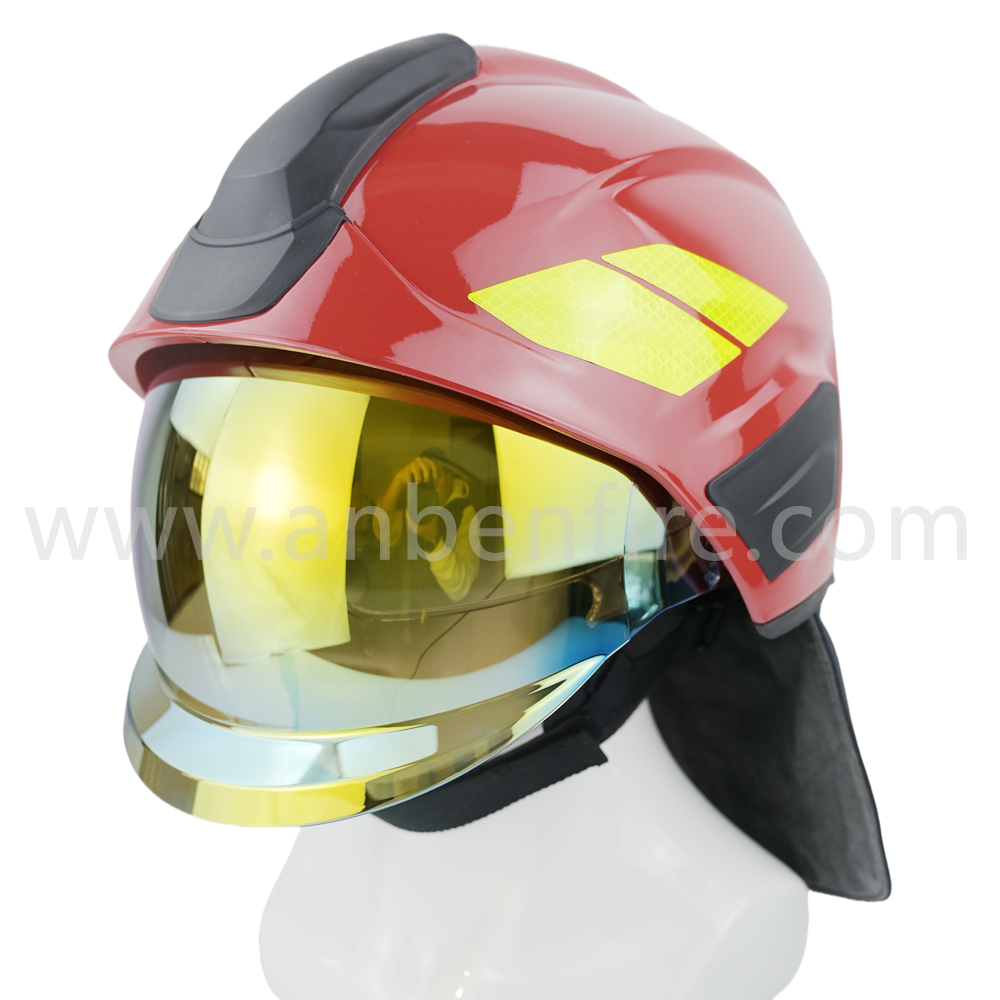
A high-quality fire helmet is a high-cost protective equipment, and scientific daily maintenance can effectively extend itsfire helmet service life, maintain stable protection performance, and avoid safety hazards caused by aging and damage. Many enterprises and fire teams ignore daily maintenance, leading to premature failure of fire helmets and increased procurement costs.
First, master the correct how to clean fire helmet methods. After each fire rescue or duty, the fire helmet will adhere to smoke dust, chemical residues, oil stains and other impurities. Long-term adhesion will corrode the helmet shell and liner, reduce flame retardancy and impact resistance. It is recommended to wipe the outer shell with a soft damp cloth and neutral detergent, clean the inner suspension system and sweat-absorbing lining regularly, and dry it in a cool and ventilated place after cleaning. Do not use strong acid and alkali detergents or expose the helmet to high-temperature sun exposure, so as to prevent shell aging and brittleness.
Second, conduct regular safety inspections, which is the core offire helmet maintenance. Before each use, check whether the helmet shell has cracks, depressions, scratches and damage; check whether the suspension system, chin strap and fixing buckle are loose or aging; check whether the face shield and neck protection device are intact. Once damaged parts are found, replace them immediately instead of continuing to use them, so as to avoid protection failure in rescue scenes.
In addition, standard storage is very important. Fire helmets should be stored in a dry, cool, dust-free and non-corrosive environment, avoiding long-term extrusion, collision, and contact with chemical solvents. Do not place heavy objects on the helmet to prevent permanent deformation of the shell structure and affect impact resistance.
Finally, clarify the replacement cycle. Even if there is no obvious damage, fire helmets will age due to long-term temperature changes and oxidation. It is recommended to replace professional fire helmets every 3-5 years to ensure the best safety protection effect. Scientific maintenance and regular replacement can maximize the value of fire helmets and provide long-term stable safety protection for rescue workers.